 comparison
Dennis Service Center Alternatives: 2026 Auto Repair Guide
Table of Contents
- Why Vehicle Owners Seek Dennis Service Center Alternatives
- Top Dennis Service Center Alternatives in 2026
- How to Choose a Reliable Mechanic
- Benefits of Independent Auto Repair Shops
- Auto Repair Shop Reviews: What to Look For
- Cost-Benefit Analysis: Independent vs. Dealership Service
- Conclusion
- Frequently Asked Questions
Last Updated: October 2, 2026
Why Vehicle Owners Seek Dennis Service Center Alternatives
Drivers searching for Dennis Service Center alternatives want honest diagnostics, fair pricing, and fast turnaround. This guide from Kerner's Auto breaks down the realistic options in 2026, plus the criteria that separate a shop you keep for a decade from one you regret by Friday.
The auto repair industry runs on trust, and trust is earned through transparency. According to Consumer Federation of America auto repair guide, getting multiple estimates and asking for written explanations of recommended work are two of the most effective ways to avoid unnecessary repairs. That advice matters more than ever, because modern vehicles pack dozens of computers that require real diagnostic equipment, not guesswork.
Dennis Service Center alternatives is really a question about fit. Some drivers need a national chain with predictable scheduling; others need a body shop after a collision. Most need a local shop with certified technicians, loaner cars, and a service history they can trust.
Top Dennis Service Center Alternatives in 2026
Three provider types dominate the search results for drivers leaving a previous shop: local independent shops, national maintenance chains, and collision-focused networks. Picking the wrong category wastes time and money.
| Provider Type | Best For | Typical Strength | Watch Out For |
|---|---|---|---|
| Kerner's Auto | Full-service maintenance and diagnostics | ASE-certified team, loaner cars | Service area is local |
| Meineke Car Care Centers | Routine maintenance and mechanical repairs | National network, online coupons | Quality varies by franchise |
| CARSTAR | Collision and bodywork | Insurance coordination, national warranty | Not built for general maintenance |
Kerner's Auto: Family-Owned Since 1973
For drivers in Shelby Township who want a single shop for everything from oil changes to hybrid diagnostics, Kerner's Auto is the strongest local pick.
What separates Kerner's Auto from a typical independent shop is the convenience layer: complimentary shuttle service and loaner cars keep you moving during longer repairs, and the waiting room has free Wi-Fi.
The honest limitation: Kerner's Auto serves the local area, so it won't help you if you've moved out of the region.
Meineke Car Care Centers
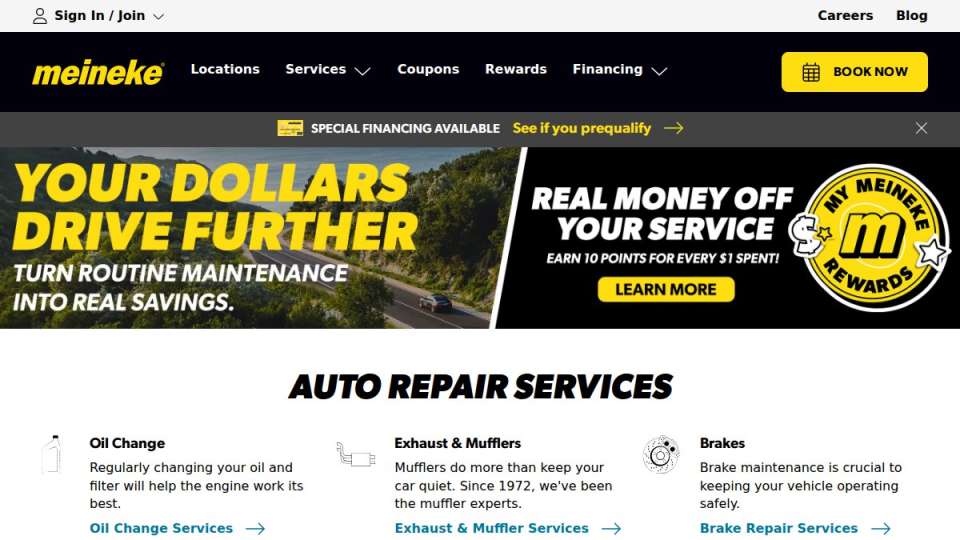
Meineke is a national chain covering oil changes, brake service, steering and suspension work, exhaust repair, and fleet maintenance. Its online portal for service history and coupons is useful if you schedule from your phone.
The trade-off is consistency: because locations are franchised, the experience depends heavily on individual management. National chains are also busier, meaning longer waits for an appointment.
CARSTAR
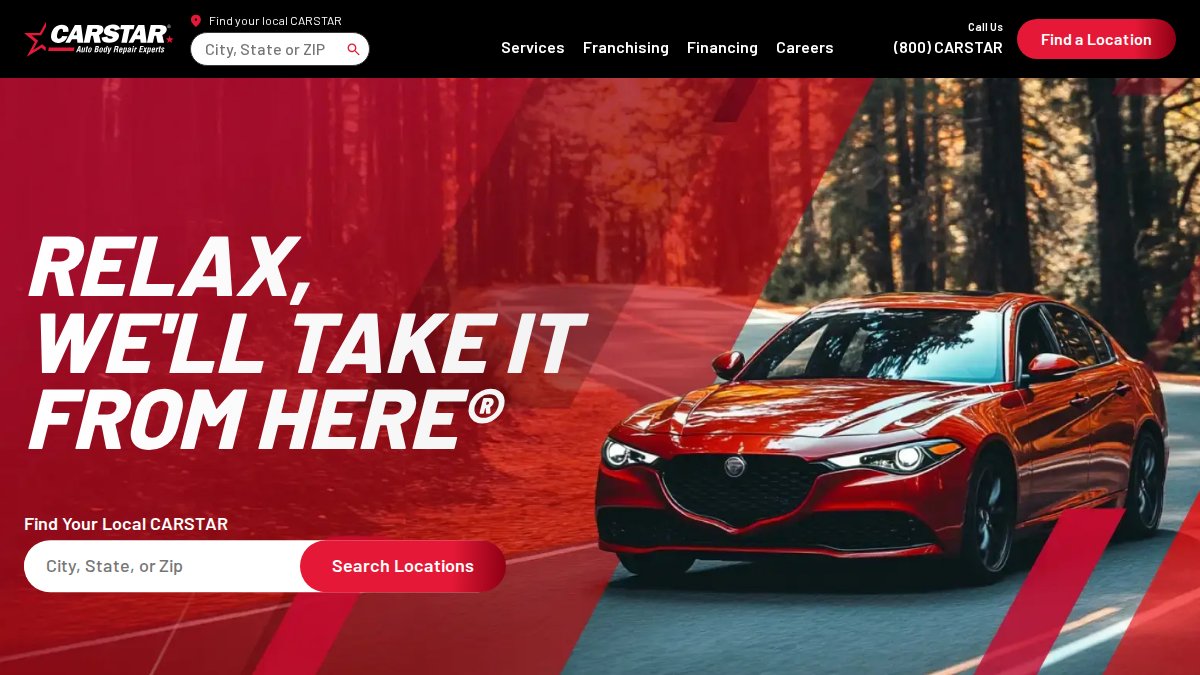
CARSTAR is a network of independently owned collision repair facilities, not a general maintenance shop. If your vehicle needs bodywork or paint after an accident, its insurance coordination and national warranty program are real advantages.
Where it falls short: CARSTAR isn't designed for routine maintenance like oil changes or brake service, and collision work costs more than general repair. It solves one problem well, not every problem.
How to Choose a Reliable Mechanic
Choosing a reliable mechanic comes down to verifying credentials, checking recent reviews, and testing how clearly the shop explains its recommendations before you hand over the keys. A shop that answers questions patiently during the estimate usually treats you the same way during the repair.
Here's a checklist you can run through in about ten minutes:
- Confirm ASE certification for the technicians who will work on your car
- Ask whether the shop services your specific make, including hybrids and EVs
- Request a written estimate with parts and labor broken out separately
- Ask what warranty covers the repair and for how long
- Read reviews from the last six months, not just the all-time rating
- Ask about loaner cars or shuttle service if the repair takes more than a day
- Check whether financing is available for larger jobs
Benefits of Independent Auto Repair Shops
Independent shops tend to offer more direct communication, more flexible scheduling, and a relationship with the same technicians over time.
There's also a practical advantage in how work gets authorized. At a smaller shop, you're often talking to the person who will actually perform the repair, which shortens the gap between "what's wrong" and "what it costs to fix."
The caveat is capability. Not every independent shop invests in the diagnostic tools modern vehicles require, particularly hybrids and EVs.
Auto Repair Shop Reviews: What to Look For
Auto repair shop reviews are most useful when you read them for patterns rather than star ratings. A shop with a 4.6 average and a hundred recent reviews telling the same story about accurate estimates is a safer bet than a 4.9 with a handful of reviews from years ago. The goal isn't the highest number, it's the shop whose failure modes you can live with.
Read Across Platforms, Not Just One
No single review platform tells the whole story, so cross-check at least three sources:
- Google Business Profile. Highest volume, but also the easiest to game with review requests at checkout. Sort by "Newest" and read the last 90 days, not the all-time feed.
- Yelp. Skews toward complaint-heavy reviews and filters some legitimate ones. Useful for spotting recurring service-advisor names and scheduling complaints.
- Better Business Bureau. Complaint history and whether the business responds. The Better Business Bureau guidance on choosing auto repair recommends confirming the business is licensed and insured before committing to a repair, a five-minute check that prevents most bad outcomes.
- Industry-specific forums and owner groups. For brand-specific issues (hybrid battery service, European diagnostics, diesel emissions), enthusiast forums often surface technician-level detail you won't find on general review sites.
The Red-Flag Patterns That Matter
Star averages hide the signals that predict a bad repair. Watch for these patterns:
- Estimate creep. Multiple reviewers describing a quote that grew after the vehicle was on the lift. One instance is normal; a pattern is a pricing model.
- Diagnosis-by-replacement. Reviews that say "they replaced X, then Y, then Z, and the noise is still there." That's a shop guessing, not diagnosing.
- Upsell pressure on routine visits. An oil change that consistently becomes a $900 recommendation is a sales process, not a maintenance process.
- No written estimate before work begins. This is both a red flag and, in many states, a consumer-protection issue. Ask for it in writing every time.
- Warranty silence. Reviews that mention a failed repair and a shop that wouldn't stand behind it. Ask what the warranty covers and for how long before you authorize anything.
Green Flags Worth Paying For
- Photos of the failed part. A shop that texts you a picture of the worn component before recommending replacement is showing its work.
- Technician names repeated across reviews. When multiple reviewers name the same technician positively over a year or more, that person is still there and still good.
- Clear explanation of what was not done. A shop that tells you what it checked and ruled out is diagnosing, not selling.
- Consistent response to criticism. How a shop replies to a negative review, whether it offers a path to resolution rather than arguing, reveals how it handles problems after the sale.
How to Weight What You Read
Treat reviews as a screening tool, not a verdict. Use them to build a shortlist of three shops, then verify in person: ask for a written estimate, confirm ASE certification for the technicians who will actually touch your car, and ask whether the shop has the diagnostic equipment and training for your vehicle type. Reviews get you to the shortlist; the estimate conversation gets you to the right shop.
Cost-Benefit Analysis: Independent vs. Dealership Service
This is the comparison most drivers actually want: why the same repair can cost meaningfully different amounts at an independent shop versus a dealership, and when the premium is worth paying. Dealerships charge more per hour and use manufacturer parts; independent shops charge less per hour and can choose between original equipment manufacturer (OEM) and aftermarket parts.
Where the Price Difference Actually Comes From
Three cost drivers explain most of the gap:
- Labor rate. Dealership service departments carry higher overhead, manufacturer training, brand-specific tooling, warranty administration, and facility standards, while independent shops run leaner. Rates vary by region and brand, so ask both shops for their posted hourly rate before comparing estimates.
- Parts sourcing. Dealerships install OEM parts almost exclusively. Independent shops can offer OEM, aftermarket, or remanufactured options. For a 10-year-old commuter, an aftermarket alternator with a solid warranty can be the rational choice. For a vehicle still under warranty or one you plan to keep another decade, OEM often makes more sense.
- Diagnostic time. Modern vehicles require scan tools and subscription software to read manufacturer-specific codes. Dealerships have this by default; independent shops vary. A shop without the right diagnostic subscription may spend more billable hours guessing, erasing the labor-rate advantage.
Side-by-Side Comparison
| Factor | Independent Shop | Dealership |
|---|---|---|
| Labor rate | Generally lower | Generally higher |
| Parts options | OEM, aftermarket, remanufactured | OEM only |
| Diagnostic tooling | Varies, ask directly | Manufacturer-specific, standard |
| Warranty work | May need to route to dealership | Handled in-house |
| Recalls and software updates | Often referred out | Performed on-site |
| Scheduling | Often faster | Often longer waits |
| Vehicle knowledge | Broad, all makes | Deep, one brand |
| Relationship | Same technicians over years | May rotate advisors |
When the Dealership Is the Right Call
The dealership premium buys something real in specific situations:
- Recalls and technical service bulletins. These are performed at no charge by the manufacturer's network. There is no reason to pay an independent shop for work the dealer will do free.
- Warranty claims. If a repair is covered, it must go through the dealership to stay covered.
- Brand-new vehicle issues. A car still under factory warranty with an intermittent problem is best diagnosed by the people with the manufacturer's latest software and known-issue database.
- Software updates and module programming. Many newer vehicles require manufacturer-specific programming that independent shops can't always perform.
When the Independent Shop Wins on Value
- Out-of-warranty routine maintenance. Oil changes, brakes, fluids, belts, and filters are well-understood jobs where the labor-rate gap is pure savings.
- Older vehicles. Once a car is past its warranty, the case for OEM-only parts weakens considerably. Aftermarket parts with a solid warranty often deliver the same service life at a lower price.
- Second opinions on a large estimate. If a dealership quotes a major repair, an independent shop with the right diagnostic equipment can often confirm or challenge the diagnosis, and the second opinion is usually cheap compared to the repair.
- Fleet and high-mileage vehicles. When you're maintaining multiple vehicles or a high-mileage commuter, the cumulative labor-rate difference adds up quickly.
A Simple Decision Framework
Run any repair through these four questions:
- Is it a recall, warranty claim, or software update? If yes, go to the dealership. It's either free or required.
- Is the diagnosis uncertain? If the shop is guessing, pay for the better diagnostic capability, usually the dealership, unless your independent shop has the manufacturer software.
- Is it a well-understood mechanical job on an out-of-warranty vehicle? Independent shop, almost every time.
- Is the estimate large enough that a second opinion is worth the time? Get one. The cost of a second diagnostic is small next to a major repair.
Many drivers land on a hybrid approach: dealership for warranty, recall, and software work; independent shop for everything else. That split captures most of the savings without giving up manufacturer coverage where it matters.
Conclusion
Finding the right shop after leaving a previous provider takes a little homework, but the payoff is years of predictable service and a vehicle that holds its value. If you're in the Shelby Township area and want one shop for maintenance, diagnostics, and repairs, Kerner's Auto is worth a call. Family owned since 1973, it runs nine bays with advanced diagnostic equipment and offers ASE-certified technicians, complimentary shuttle service and loaner cars, and flexible financing through Synchrony Car Care.
Frequently Asked Questions
How can you tell if an auto repair shop is trustworthy?
Look for ASE certification, transparent pricing, and clear communication. Check online reviews for consistency and how the shop handles complaints. A trustworthy shop will provide a written estimate, explain the work needed, and never pressure you into unnecessary repairs. At Kerner's Auto, we offer a comfortable waiting area and shuttle service, and our technicians are ASE-certified.
Are independent auto repair shops better than chain service centers?
Independent shops often provide personalized service and may have lower overhead costs, which can lead to competitive pricing. They also tend to specialize in certain makes or have a loyal customer base. Chain centers offer convenience and nationwide warranties. The best choice depends on your needs. Kerner's Auto, an independent shop, has served the area since 1973 and offers flexible financing through Synchrony Car Care.
What should you look for when comparing local auto repair centers?
Compare certifications (ASE), service range, warranty policies, and customer reviews. Check if they offer amenities like loaner cars or shuttle service. Ask about diagnostic capabilities for modern vehicles, including hybrids. Pricing transparency is key. Kerner's Auto provides a state-of-the-art facility with nine bays and advanced diagnostics for all makes and models.
How do you evaluate the quality of automotive diagnostic services?
Quality diagnostics require advanced equipment and experienced technicians. Look for shops that invest in updated scan tools and have ASE-certified staff. Ask if they charge a diagnostic fee and whether it applies to repairs. A good shop will explain the diagnostic process and provide a detailed report. Kerner's Auto uses state-of-the-art diagnostic technology to accurately identify issues.