 how-to
How to Identify Honest Auto Mechanics: 7 Key Steps
Table of Contents
- How to Identify Honest Auto Mechanics: Start with Credentials
- Request a Visual Inspection and Plain-Language Explanation
- Questions to Ask a Mechanic Before Repair Work Begins
- How to Spot Mechanic Scams and Red Flags
- How to Verify Auto Repair Shop Reviews and Reputation
- Demand Written Estimates and Itemized Invoices
- Common Mistakes to Avoid When Choosing a Repair Shop
- Frequently Asked Questions
Last Updated: September 25, 2026
How to Identify Honest Auto Mechanics: Start with Credentials
Finding a trustworthy mechanic is one of the biggest challenges vehicle owners face. You need someone who diagnoses problems accurately, explains repairs in plain language, and charges fair prices without unnecessary upselling. This guide from Kerner's Auto walks you through how to identify honest auto mechanics and protect yourself from common repair shop scams.
The first place to start is credentials. A mechanic's certifications tell you whether they've passed rigorous testing and committed to staying current with industry standards. ASE certification is the gold standard in the automotive industry.
ASE Certified Mechanic Benefits and What to Look For
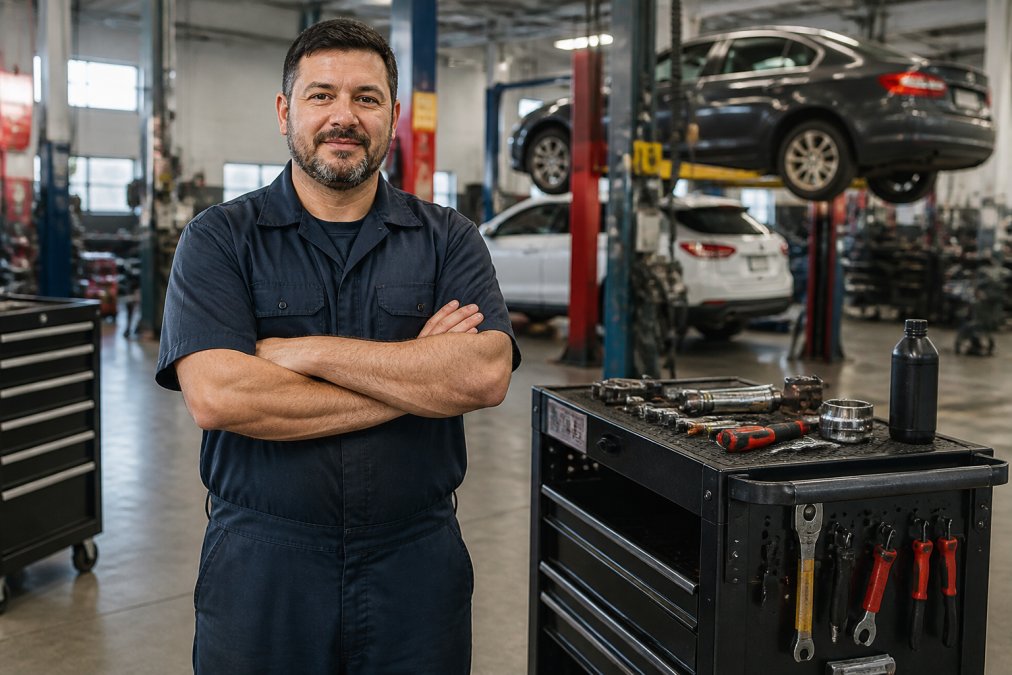
ASE certification stands for Automotive Service Excellence. It's a credential earned by passing exams that test mechanical knowledge and hands-on competency. An ASE certified mechanic has demonstrated expertise in their specific area, whether that's engine repair, transmission work, electrical systems, or diagnostics.
Look for the blue ASE badge displayed in the shop. Ask the service advisor which technicians hold ASE certification and in what specialties. A shop with multiple ASE certified technicians signals serious commitment to quality. You can verify ASE credentials online through the ASE website to confirm a mechanic's current status.
Beyond ASE, check for state licensing. Most states require mechanics to hold a valid license to operate. Ask your mechanic about their licensing and any additional certifications, especially if your vehicle is a hybrid or electric model. These require specialized training that not all shops possess.
Request a Visual Inspection and Plain-Language Explanation
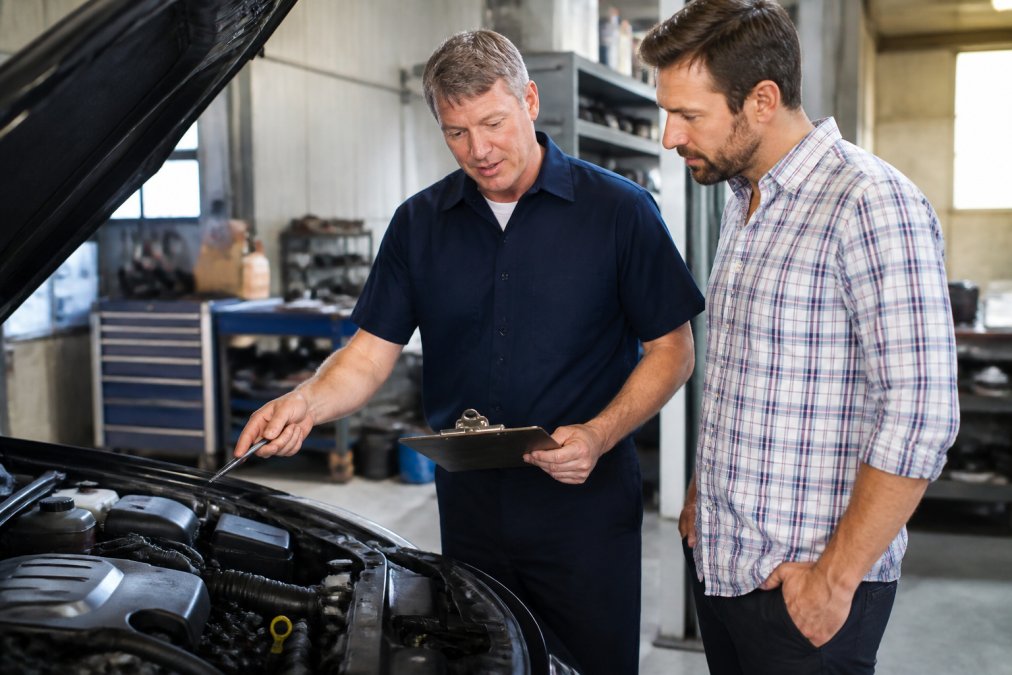
Honest mechanics welcome visual inspections. They'll show you the problem, point out worn components, and explain what needs repair in terms you understand. This transparency builds trust and helps you make informed decisions.
When you drop off your vehicle, ask the service advisor to perform a visual inspection first. Request that they call you with findings before starting any work. During this conversation, ask them to explain the problem in plain language, avoiding technical jargon. A good mechanic translates complex issues into everyday terms.
For example, instead of "Your serpentine belt has reached end-of-life due to polymer degradation," an honest mechanic says, "Your belt is cracked and worn. If it breaks while you're driving, your engine will overheat and you'll be stranded."
Ask to see photos of the problem area if possible. Many shops now email or text photos to customers, which gives you visual proof of what they're describing. This practice demonstrates transparency and helps you understand exactly what repair is needed.
Questions to Ask a Mechanic Before Repair Work Begins
Smart questions protect you before work starts. Ask these before authorizing any repairs:
- What is the total cost of this repair, broken down by parts and labor?
- How long will this repair take?
- Will you use OEM parts or aftermarket parts, and what's the difference in cost?
- What warranty or guarantee covers this work?
- What happens if the repair doesn't fix the problem?
- Are there any other repairs you recommend, and why?
- Can I see a written estimate before you start?
Pay close attention to how the mechanic answers. Do they rush through explanations or take time to answer your questions? Do they get defensive when you ask about pricing? An honest mechanic welcomes questions and explains their reasoning.
Ask specifically about preventative maintenance recommendations. A trustworthy shop suggests maintenance that extends your vehicle's life, not repairs that pad the bill. For example, recommending a transmission fluid change at 60,000 miles is standard preventative maintenance. Recommending a complete transmission rebuild at 50,000 miles with no symptoms is a red flag.
How to Spot Mechanic Scams and Red Flags
Certain warning signs indicate dishonest practices, but understanding how mechanics diagnose problems helps you separate legitimate findings from upselling. Watch for these red flags during your interaction:
Pressure to decide immediately. Honest mechanics give you time to think. If a shop pressures you to authorize expensive repairs on the spot, walk out. Legitimate repairs can wait 24 hours while you consider your options.
Vague estimates. A written estimate should itemize parts, labor hours, and total cost. Estimates that say "repairs as needed" or quote a range without specifics are designed to hide upselling tactics.
Diagnostic shortcuts. A mechanic should explain how they identified the problem. Did they use a diagnostic scanner to read error codes? Did they perform a visual inspection? Did they test-drive the vehicle? Honest shops document their diagnostic process. If a mechanic recommends a $1,200 transmission repair without showing you diagnostic scan results or explaining the specific symptoms they observed, ask them to walk you through their findings. A shop that can't articulate their diagnostic reasoning is either guessing or padding the bill.
Recommending unnecessary repairs. A mechanic who finds five new problems every time you visit is likely upselling. Get a second opinion if recommendations seem excessive or unrelated to your original complaint. Pay special attention to "while we're in there" recommendations, shops sometimes suggest additional work that isn't urgent. Ask: "Is this repair necessary to fix my current problem, or is it preventative maintenance?" The answer tells you whether the recommendation is legitimate.
Refusing to return replaced parts. Ask the shop to return all replaced parts. Honest shops do this automatically. If a mechanic refuses, they may be billing you for repairs they didn't actually perform. Parts like alternators, starters, and brake components should be physically returned so you can verify they were actually replaced and were genuinely worn.
Poor shop cleanliness. A disorganized, dirty shop with scattered tools and no clear workflow suggests careless work. Professional shops maintain clean work areas and organized parts inventory.
Avoiding written communication. Shops that only communicate verbally leave no paper trail. Insist on written estimates, repair authorizations, and invoices. These documents protect you if disputes arise. Modern shops should offer photo or video documentation of the problem, many use inspection software that sends images directly to your phone before recommending repairs.
Lack of professional demeanor. Pay attention to how staff treats you. Are they respectful and patient, or dismissive and rude? Professionalism in communication often reflects professionalism in work quality. Evasiveness when you ask questions, such as avoiding eye contact, giving short answers, or redirecting your questions, can signal discomfort with transparency.
Refusing a second opinion. An honest shop won't feel threatened if you want another mechanic to review their diagnosis, especially for major repairs over $500. If a shop discourages you from getting a second opinion or seems defensive about it, that's a warning sign.
How to Verify Auto Repair Shop Reviews and Reputation
Online reviews reveal patterns of customer satisfaction, but modern shops now offer digital transparency tools that go beyond traditional feedback. Use both to build a complete picture.
Check multiple review platforms. Start with Google Reviews, Yelp, and the Better Business Bureau. Read recent reviews, not just the overall rating. Look for specific mentions of fair pricing, honest diagnosis, and quality workmanship. Notice whether the shop responds to negative reviews and how they handle complaints.
Pay attention to review patterns. One negative review among dozens of positive ones is normal. Multiple recent complaints about overcharging, unnecessary repairs, or incomplete work signal a problem. Read negative reviews carefully, do complaints mention specific issues like being charged for work not performed, or are they vague complaints about pricing? Specific complaints are more credible than general dissatisfaction.
Check the Better Business Bureau for complaint history and resolution. The BBB tracks how long a business has been accredited and whether complaints were resolved to the customer's satisfaction.
Ask friends and family for recommendations. Personal referrals from people you trust carry more weight than anonymous online reviews. If someone you know has used a shop for years without problems, that's strong evidence of honesty and quality.
Look for digital inspection and documentation practices. Modern honest shops use inspection software that sends photo and video reports directly to your phone before recommending repairs. This is a high-trust differentiator.
Demand Written Estimates and Itemized Invoices
Every repair should start with a written estimate. This document protects both you and the shop by creating a clear agreement about what work will be done and what it will cost.
A proper written estimate includes:
- Description of the repair or service
- Parts needed with individual costs
- Labor hours and hourly rate
- Total estimated cost
- Warranty information
- Shop contact information and date
Common Mistakes to Avoid When Choosing a Repair Shop
Choosing based on price alone. The cheapest estimate often comes from a shop cutting corners or planning to upsell you later. Compare pricing across shops, but factor in reputation and credentials too.
Frequently Asked Questions
What are the red flags of a dishonest mechanic?
Watch for mechanics who pressure you into immediate repairs without a visual inspection, refuse to show you the damaged parts, or use vague language instead of explaining problems clearly. Dishonest shops often discourage second opinions, won't provide written estimates, and may recommend expensive work that's not urgent. If a mechanic becomes defensive when you ask questions or won't return replaced parts, that's a serious warning sign.
What certifications should a reputable mechanic have?
ASE certified mechanic benefits include proven technical expertise and commitment to continuing education. ASE (Automotive Service Excellence) certification requires passing rigorous exams and maintaining industry standards. Look for mechanics with ASE certification in the specific area your vehicle needs (engine repair, transmission, brakes, etc.). State licensing and manufacturer-specific certifications for hybrid or electric vehicles are also important credentials that demonstrate professionalism and trustworthiness.
Should I get a second opinion on car repairs?
Yes, especially for major repairs costing over $500. A second opinion from an independent shop or dealership helps verify that recommended work is actually necessary. Honest mechanics welcome second opinions because they're confident in their diagnostics. Getting multiple estimates also helps you understand fair labor rates and parts pricing. This step protects you from unnecessary repairs and gives you peace of mind before authorizing significant work.
How can I verify an auto repair shop's reputation?
Check online reviews on Google, Yelp, and the Better Business Bureau, but look beyond star ratings. Read recent reviews for mentions of transparency, communication, and honesty. Ask friends and family for personal recommendations. Visit the shop in person to assess cleanliness, professionalism, and how staff treats you. Ask about their warranty coverage on parts and labor. A shop with consistent positive feedback about trustworthiness and fair pricing is more likely to be honest.